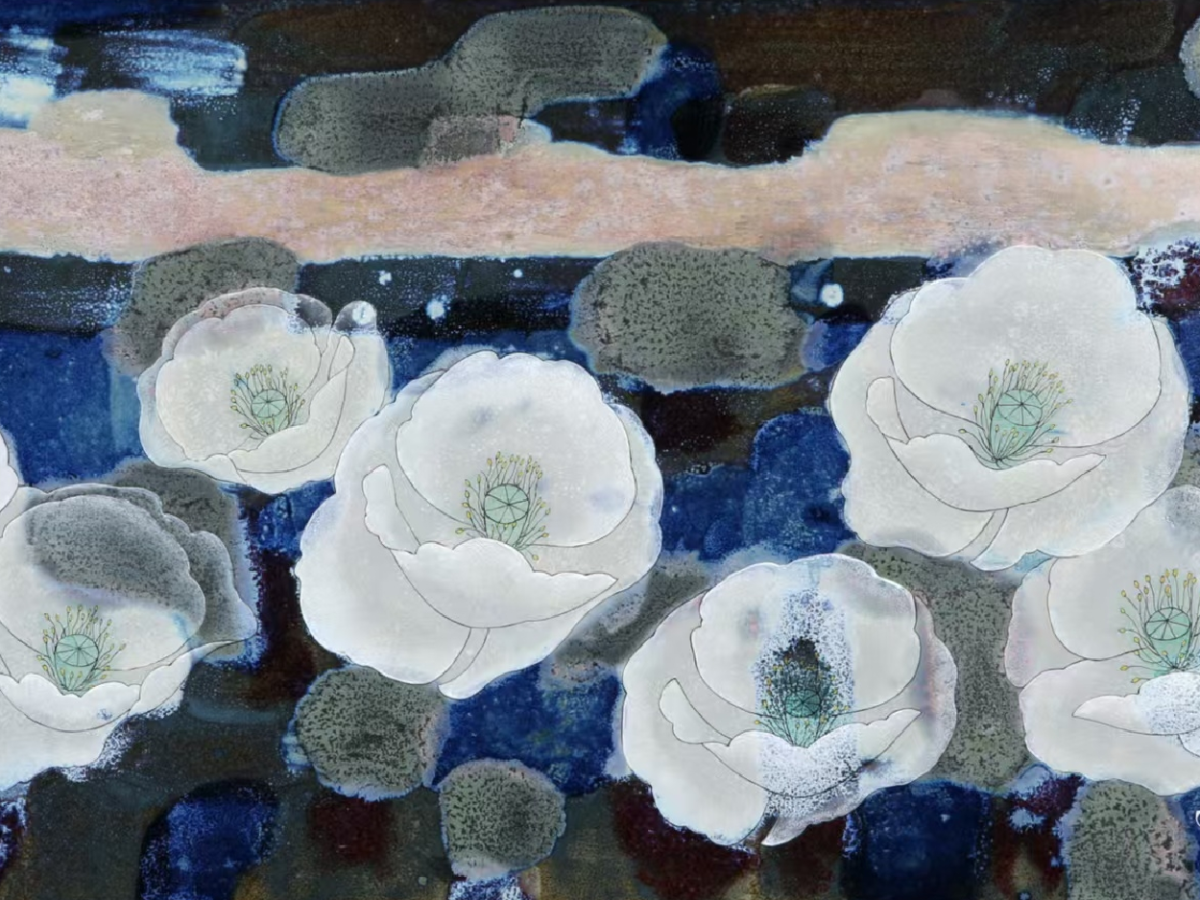
Porcelain work reflects a exceptional practice form with a vast legacy, reaching back innumerable of years. From ancient holders to state-of-the-art exhibitions, the element offers peerless possibilities for creative rendering. Designers manipulate different techniques – including molding, wheel operating, and advanced firing processes – to shape humble terracotta into pleasing three-dimensional pieces. The resilience of fired terracotta also contributes to its status as a truly noteworthy part of human culture.
Investigating Terracotta Tablet Configurations and Techniques
The realm of ceramic panel design offers a broad array of inventive possibilities. Crafters often engage a variety of classic and contemporary techniques to form visually eye-catching pieces. These can include from simple, etched reliefs to complex, multi-layered formulations. Conventional methods include pattern casting, manual forming, enameling – which can involve numerous techniques like painting before firing, top glaze design, and incised illustration where designs are highlighted by stripping a layer of surface. Extended analysis into overlay methods such as cold firing and shimmer glaze can bring about truly special and bespoke stoneware panels.
- Mold Making - Creating pieces using a frame
- Manual Crafting - Directly shaping the clay
- Surface Treatment - Covering the exterior with a lustrous finish
- Carved drawing - Showing designs by abrading coatings
Fascinating Experiences: Brick Art Arrangements
The expanding landscape of art presents exciting modern avenues for spectators, and ceramic art installations are at the vanguard of this development. These aren't just static creations; they are constructed to envelop the spectator in a sensory realm. Imagine moving inside a forest of towering, textured ceramic trees, or navigating a cluster of exquisite ceramic vessels. Many creators are now incorporating noises, lighting, and even fragrance to enhance the mood of their work. Picture the power of a room filled with hundreds of expertly ceramic pieces, each telling a story. Traditionally, such installations examine themes of landscape, remembrance, and humanity.
- The aforementioned installations blur the boundaries between design and environment.
- Viewing a ceramic art installation can be a deeply meaningful journey.
- Producers are expanding the extents of what is attainable with clay.
Each Charm of the Brick Urn: Significance and Design
The terracotta pot represents a notable blend of usefulness and stylish appeal. Historically, these receptacles served a rudimentary role in sustaining contents, but their progression has transformed them into highly valued works of mastery. Each piece showcases the proficiency of the sculptor, demonstrating how form can be as essential as service. The careful shaping, the exceptional glazes, and the holistic presence of a well-made urn can upgrade a space, offering both allure and a subtle reminder of the artisan’s hand.
State-of-the-art Clay Creation : Testing Boundaries
Current stoneware figure represents a fascinating development from classic practices. Designers are dynamically advancing with new methods, challenging the edges between form and additional craft disciplines. From monumental installations to delicate miniature pieces, those works study themes of heritage while coincidingly recasting the foundational of what clay can be. The outcome is a vibrant world of imaginative representation.
Earthenware Marker: Protecting Tradition in Earthenware
Earthenware plaques offer a remarkable method for registering significant events and characters. As opposed to traditional metal or stone markers, these enduring pieces of production are formed from fired clay, creating a physical link to the former times. Regularly, they depict intricate carvings or artistically decorated imagery, illustrating stories that might otherwise be overlooked. This technique, originating in ancient civilizations, Magic Cube Ceramics provides a striking and timeless way to remember our collective tradition.
- Those can be installed in communal spaces.
- Scores of are now recognized historical remnants.
Earthenware Art Creations: Redefining Places
Stoneware art installations are developing a significant medium for builders to transform public and private spaces. These immersive pieces frequently involve considerable clay artifacts that surround viewers, shifting their awareness of the created environment. By incorporating diverse systems like artisanal crafting and intricate firing tactics, ceramic artists construct truly distinctive experiences, breaking down the separations between sculpture and building. The effect is often a stirring change that elevates the decorative quality of the place and initiates reflection.
Genesis Turning Device to Awe: The Skill of the Ceramic Jar
The journey of a ceramic jar from a simple lump of clay to a polished work of art is a testament to human talent. Traditionally, the process launches with the potter’s wheel, where the adept artisan constructs the turning loam into a cylindrical shape. This beginning stage demands exactness and a disciplined eye, followed by a delicate firming period. Once rough-fired, the vessel is ready for ornamentation, which may comprise glazing intricate ornaments, fashioning detailed pictures, or employing a multitude of coatings. The concluding processing process then transforms the item into a durable and attractive vessel, a tangible example of the creator's commitment.
Sculpting with Ceramic Material: A Handbook to Porcelain Art
Entering the domain of terracotta production begins with grasping the essentials of forming with terracotta. One process requires meticulously applying and excising stuff to create three-dimensional forms. Whether you're a newcomer or a skilled artisan, exploring with multiple categories of porcelain – notably brick – will promote you discover your unique approach. Finally, pottery pottery is a satisfying exploration that blends artistic ability with imaginative representation.