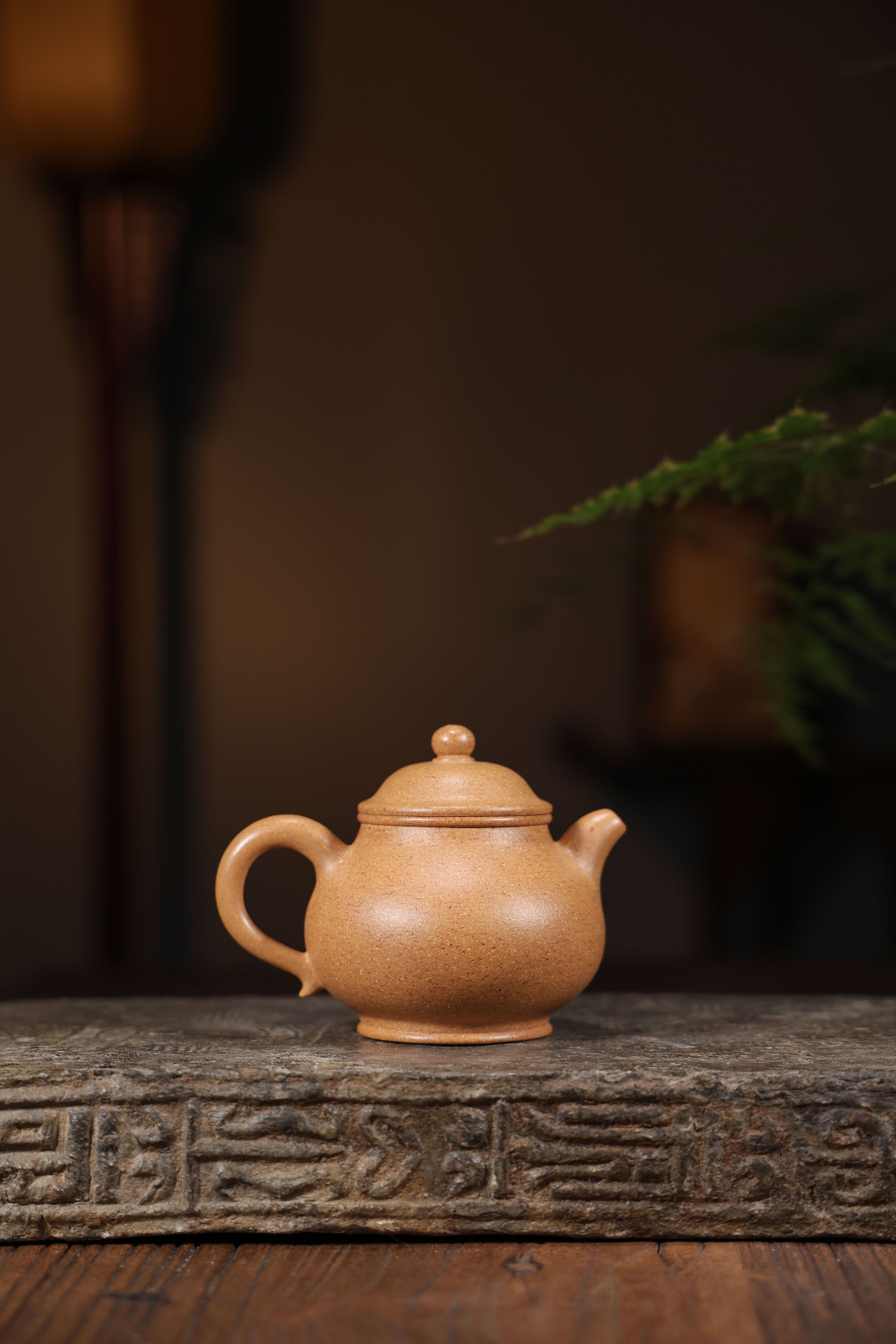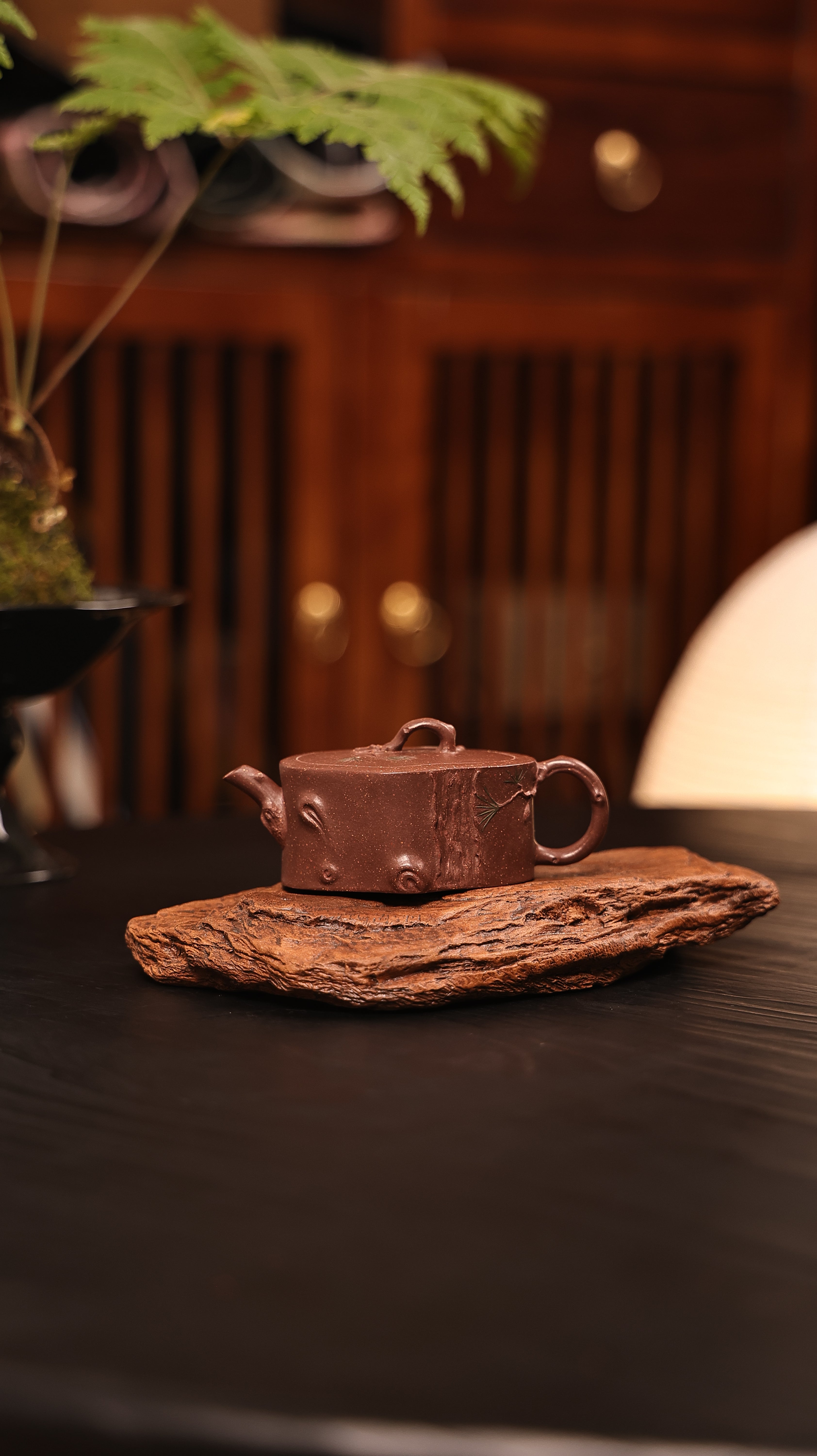
Epochs of connoisseurs have sought the special attraction of Yixing Zisha vessels. Originating in the cozy town of Yixing, the country, these vessels are crafted from a singular and harvested purple clay esteemed for its superior thermal features and capacity to enhance the richness of concoctions. Exceeding their operative merit, Zisha teapots manifest a solid traditional legacy, rendering them markedly coveted and a authentic treasure for any enthusiastic teapot appreciator.
Understanding Yixing Pitchers
Historical teapots exhibit a distinct integration of history and skilled craftsmanship. Originating in Yixing, Jiangsu Territory of China, their narrative goes back the Ming Dynasty, although manifestations suggest earlier instances. The special burgundy clay, called Zisha, found specifically in the Yixing region, is the vital component, contributing to the pots' remarkable heat stability and the manner they control the profile of tea. Generations of potters have improved techniques—often transmitted through families—including sculpting the clay, applying elaborate embellishments, and firing the pots at consistent temperatures.- Originally, Yixing teapots were often trimmed with simple designs.
- Over time, more ornate carvings and representative motifs became trendy.
- The heat application itself is a crucial element, requiring extended spans of skill.
Acquiring Zisha Teapots: Vital Considerations
Initiating a mission to gather Zisha containers can be rewarding, but it’s necessary to discern what to look for. Authenticity is essential; focus on the potter’s natural tint, a understated reddish-brown is usual. Examine the quality; genuine Zisha has a remarkable tactile sensation, often defined as slightly grainy. The profile should be aesthetically sound and consistent with antique styles, while seals, if present, require thorough examination for legitimacy. Don’t avoid to consult with savvy experts or trusted experiences – their understanding is invaluable.
A Containers: Understanding the Lineage of Yixing Zisha Clay
Epochs have seen Yixing Yixing Clay teapots keep a exceptional role in Chinese culture. These finely fashioned pots, sourced distinctively from the province of Yixing, are Purple Clay Teapot prominent for their distinctive shade, feel, and their ability to refine the essence of beverages. A multitude of collectors chase antique Yixing teapots, estimating them considerably not only for their aesthetic grace, but also for the chronicle they signify.
Yixing Zisha Teapots: Such Leading Categories and Their Qualities
Yixing Pottery teapots, sourced from the authentic locale of Yixing, this nation, are famed for their unique clay and outstanding brewing skills. Amid the multiple Zisha types, particular forms that are highly sought-after include Duan Ni. Binzhou, known for its deep purple shade and sleek texture, delivers a moderate flavor. Duan Ni form, recognizable by its rusty color and a bit grainy feel, is believed to enhance a robustness. Lastly, Zhuni variety boasts an uncommon maroon tone and can bestow a mild nuance. Each type offers a singular experience, allowing them very desirable regarding concoction enthusiasts.
Excelling at The Artisan Container
To experience the wonder of your Yixing pitcher, grasping the correct method is indispensable. These clay vessels, celebrated for their porosity, will successively incorporate the essence of the tea you infuse within them. Begin by cleaning the urn thoroughly with heated water. Then, use only high-quality fresh leaf tea, as lower quality options can harm the object’s delicate essence. Always allow the leaves to develop completely, and remember that with each brewing, your Yixing pitcher will become ever esteemed.
Safeguarding Your Beloved Zisha Piece
Proper management for your Zisha pot is fundamental to protecting its integrity and significance. Zisha clay, praised for its unique tone and structure, requires delicate handling. Never use stringent soaps, as these can ruin the surface. After every brewing, rinse the urn with tepid water and allow it to evacuate moisture completely.
- Refrain from soaking the container for extended sessions.
- Regularly use a soft cleanser cloth to wipe the exterior.
- Contemplate applying a thin layer of food-grade ointment inside the kettle after drying, which can curb staining.
A Beginner's Guide to Yixing Containers
Yixing kettles, originating from the Yixing area in Jiangsu Province, part of China, are celebrated for their distinctive aspects. Crafted from the unique purple soil known as Zisha, these earthenware are prized by concoction enthusiasts worldwide. This guide will gently explain the essentials – covering categories of Zisha clay, common shapes, and crucial care notes. Understanding the roots of Yixing teapots can improve your appreciation for this time-honored example of Far Eastern civilization.
Fabrication of Chinese Clay Pots: Spotlighting Zisha found in Yixing locality
Zisha compound from Yixing represents the pinnacle of Yuan vessel design, showing a singular amalgamation of unprocessed beauty and effective artistry. These distinguished pieces are esteemed for their dynamic pigments, often including strong purples and copper hues to delicate greys and subtle beiges. The defining mineral composition of the exclusive-to-the-area Zisha substrate imparts a unique texture and delivers a welcoming aroma that heightens the aggregate potion experience, resulting in them strongly coveted collectibles and critical components of any serious infusion.