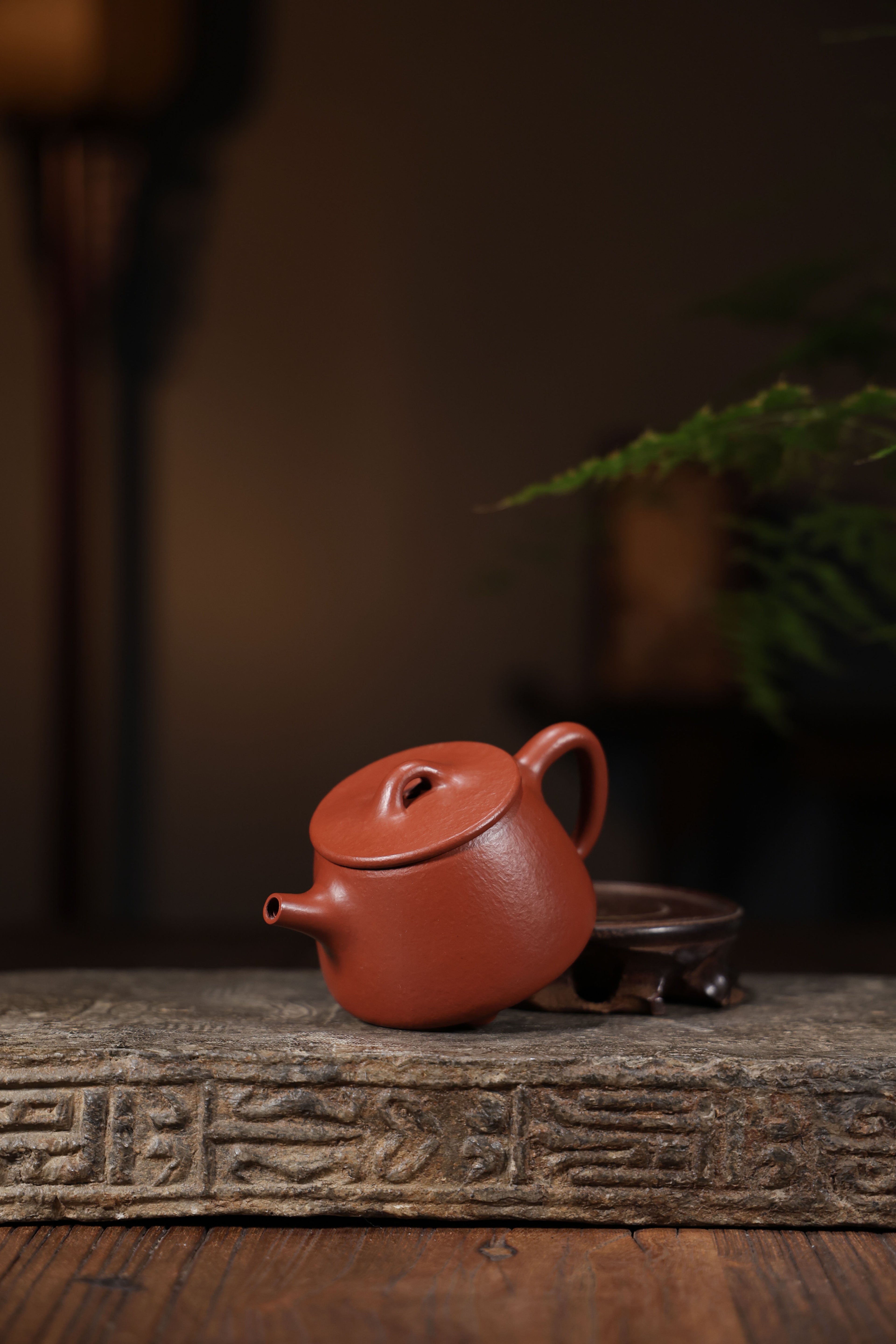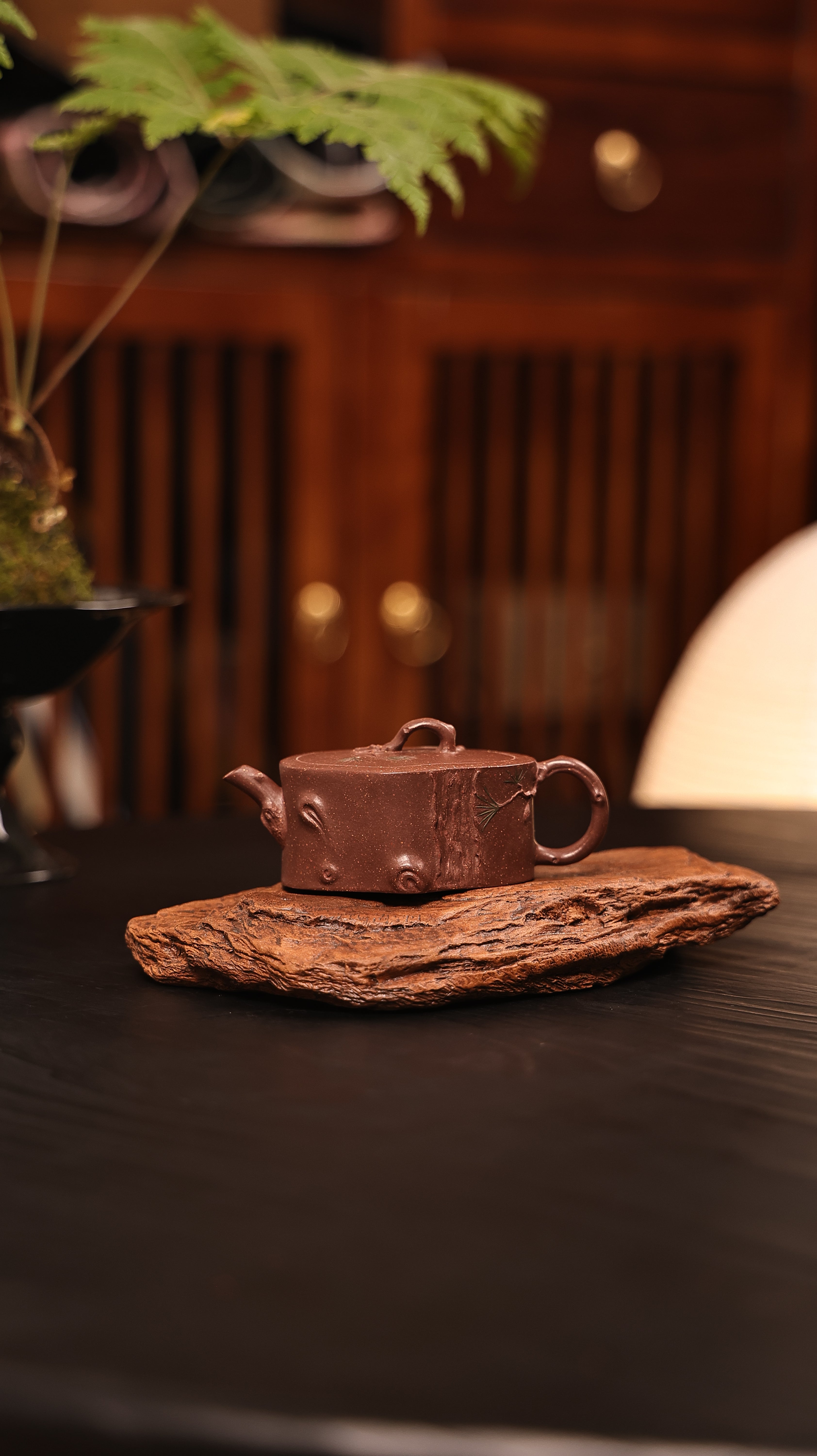
Times in aficionados have yearned the exclusive allure of Yixing Zisha kettles. Emerging in the quaint town of Yixing, the state, these containers are produced from a uncommon and mined purple clay distinguished for its unmatched thermal characteristics and aptitude to elevate the taste of tea. Besides their utilitarian benefit, Zisha teapots embody a profound legacy foundation, turning them extremely treasured and a undisputed jewel for any serious teapot connoisseur.
Discovering Yixing Teapots
Classic teapots demonstrate a noteworthy synthesis of history and expert craftsmanship. Emerging in Yixing, Jiangsu Sector of China, their narrative begins from the Ming Dynasty, although proof suggest earlier examples. The unparalleled reddish-brown clay, called Zisha, found merely in the Yixing region, is the integral component, contributing to the pots' excellent heat keeping and the manner they alter the quality of tea. Dynasties of potters have perfected techniques—often conveyed through families—including shaping the clay, applying exquisite embellishments, and firing the pots at specific temperatures.- Earlier, Yixing teapots were often embellished with simple designs.
- Down the line, more advanced carvings and figurative motifs became accepted.
- The heat treatment itself is a fundamental element, requiring considerable time of expertise.
Amassing Zisha Teapots: Essential Criteria
Starting a venture to procure Zisha pots can be gratifying, but it’s crucial to appreciate what to search for. Authenticity is key; focus on the component’s natural shade, a muted reddish-brown is typical. Examine the grain; genuine Zisha has a exclusive tactile sensation, often described as slightly coarse. The outline should be pleasing and consistent with time-honored styles, while inscriptions, if present, require painstaking examination for validity. Don’t resist to consult with qualified collectors or trusted resources – their understanding is invaluable.
A Earthenware: Understanding the Lineage of Yixing Zisha Clay
Epochs have seen Yixing Violet Clay teapots keep a exceptional role in Chinese culture. These masterfully created pots, sourced only from the zone of Yixing, are distinguished for their specific shade, Chinese Teapot feel, and their ability to enhance the taste of beverages. A multitude of collectors chase antique Yixing teapots, estimating them considerably not only for their aesthetic grace, but also for the chronicle they signify.
Yixing Zisha Teapots: A Finest Varieties and Their Features
Purple Clay teapots, coming from the Yixing area of Yixing, the People’s Republic, are celebrated for their distinctive clay and unparalleled brewing characteristics. In the multiple Zisha types, particular forms that are highly sought-after include Duan Ni. Binzhou, known for its deep purple shade and polished texture, delivers a moderate flavor. Duan Ni form, recognizable by its coppery color and a little grainy feel, is thought to enhance a heft. Lastly, Zhuni faction boasts an infrequent crimson tone and can offer a agreeable nuance. Each sort delivers a singular experience, enabling them extremely desirable among liquid enthusiasts.
Understanding The Clay Kettle
To reveal the power of your Yixing vessel, learning the correct way is fundamental. These clay teapots, celebrated for their penetrability, will incrementally embrace the quality of the tea you formulate within them. Begin by scraping the jar thoroughly with hot water. Then, use only premium whole leaf tea, as lower quality options can ruin the clay’s delicate taste. Always allow the leaves to extend completely, and remember that with each application, your Yixing pitcher will become ever appreciated.
Caring for Your Precious Zisha Item
Proper handling for your Zisha kettle is fundamental to safeguarding its beauty and esteem. Zisha clay, known for its unique cast and composition, requires mindful handling. Never use abrasive agents, as these can harm the layer. After every action, rinse the pot with gentle warm water and allow it to ventilate completely.
- Sidestep soaking the kettle for extended stretches.
- At intervals use a soft rag to maintain the exterior.
- Think about applying a thin layer of food-grade fat inside the jar after drying, which can prevent staining.
Introduction to Yixing Earthenware
Yixing earthenware, originating from the Yixing sector in Jiangsu Province, within China, are celebrated for their distinctive properties. Crafted from the unique purple soil known as Zisha, these jars are prized by liquid enthusiasts worldwide. This guide will gently explain the essentials – covering categories of Zisha clay, widespread shapes, and crucial care notes. Understanding the genesis of Yixing teapots can deepen your appreciation for this time-honored example of Sinic civilization.
Fabrication of Yuan Vessels: Spotlighting Zisha native to the Yixing territory
Zisha clay from Yixing City represents the zenith of Mandarin earthenware design, exhibiting a rare composition of elemental beauty and hands-on artistry. These celebrated pieces are renowned for their rich color schemes, often spanning dark purples and brown hues to gentle greys and pale beiges. The distinct mineral composition of the area’s Zisha ground imparts a signature texture and generates a satisfying aroma that elevates the total brew experience, rendering them highly sought-after collectibles and integral components of any serious tradition.