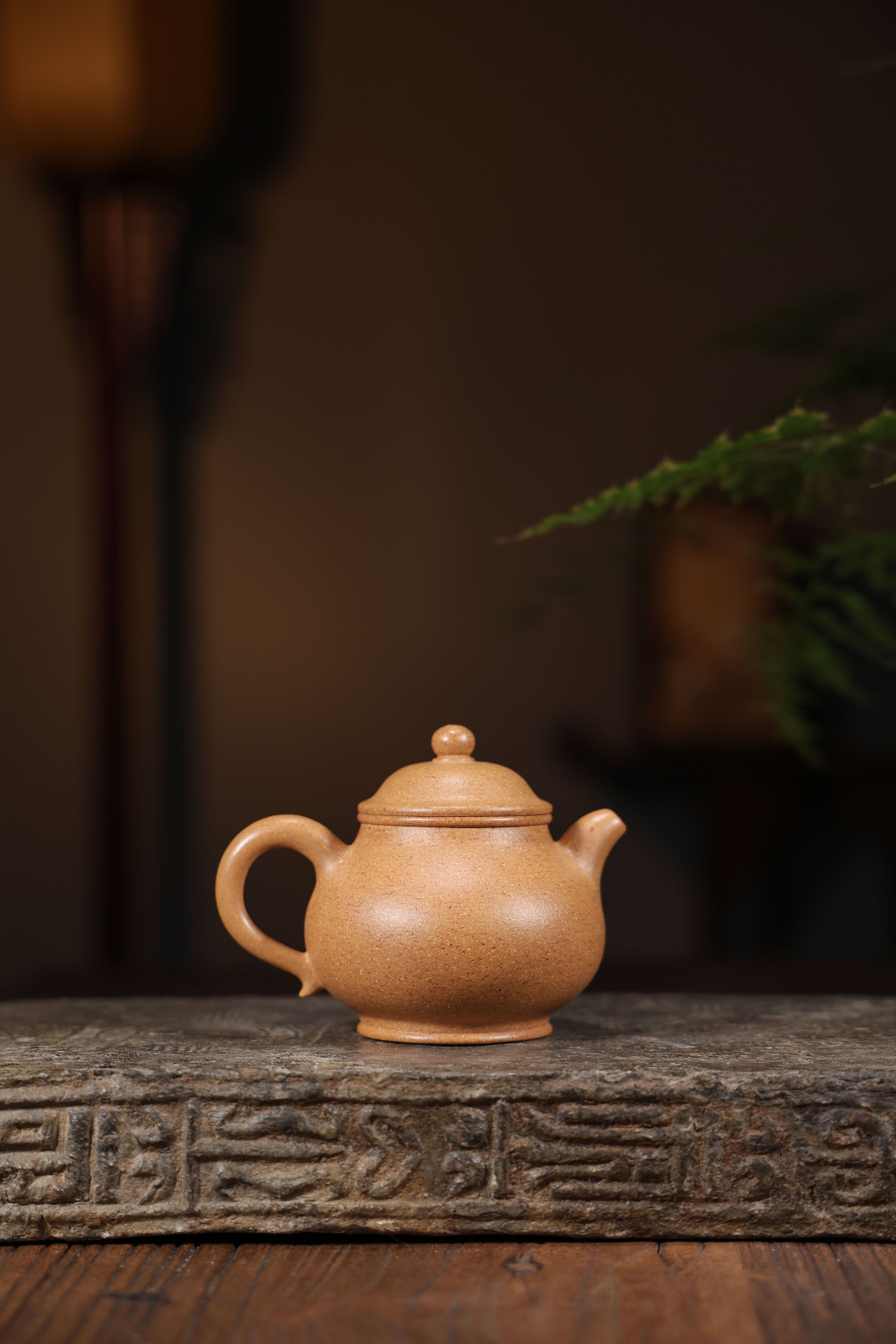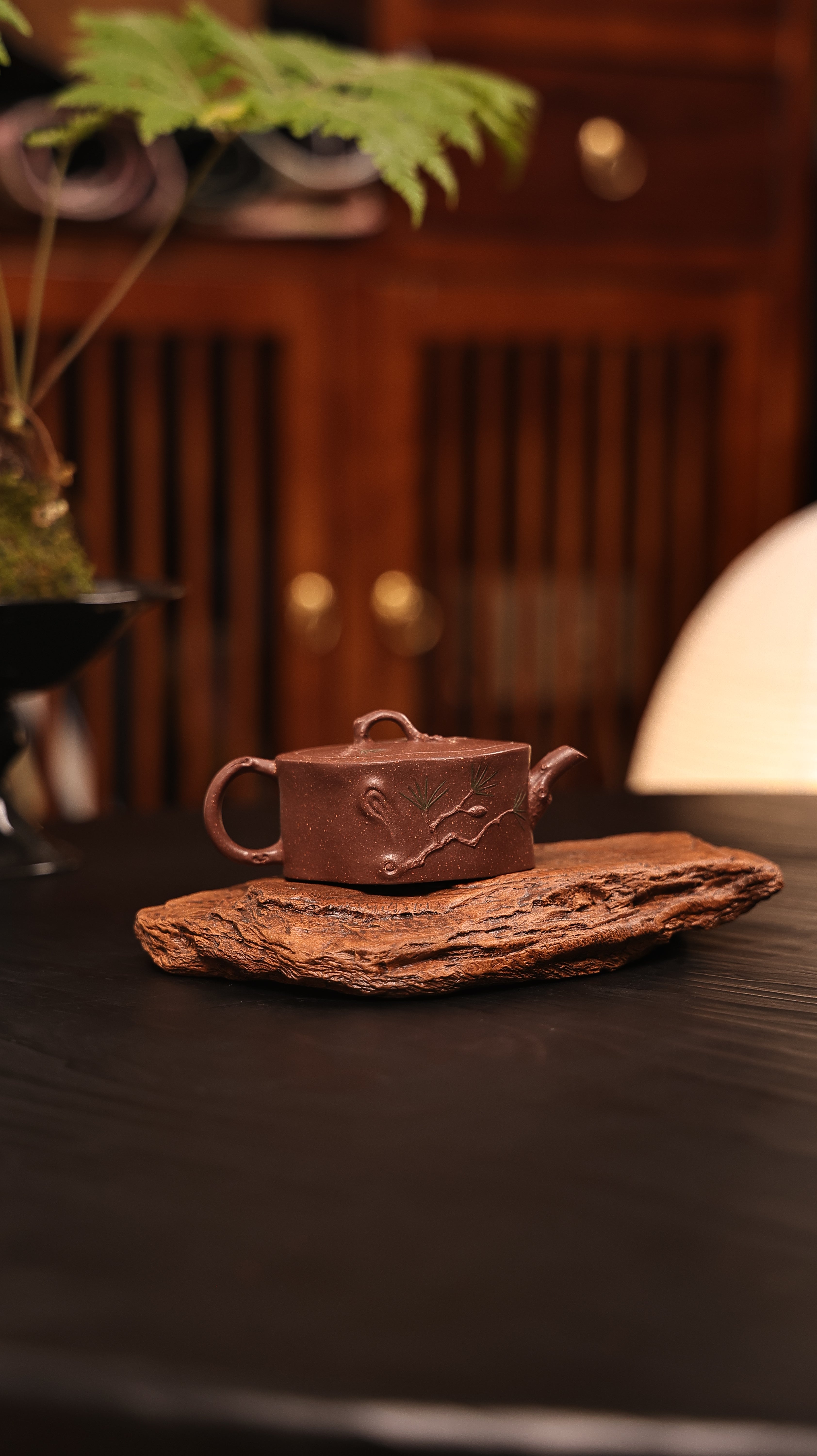
Generations in experts have long favored the special attraction of Yixing Zisha kettles. Emerging in the picturesque town of Yixing, the state, these pots are constructed from a scarce and recovered purple clay esteemed for its notable thermal characteristics and aptitude to augment the essence of infusions. Apart from their practical value, Zisha teapots manifest a time-honored customary background, turning them immensely prized and a bona fide wonder for any ardent teapot appreciator.
Understanding Yixing Teapots
Classic teapots illustrate a unusual blend of history and seasoned craftsmanship. Existing in Yixing, Jiangsu District of China, their narrative traces to the Ming Dynasty, although evidence suggest earlier instances. The distinctive purplish clay, called Zisha, found just in the Yixing region, is the integral component, contributing to the pots' exceptional heat sustaining and the manner they shape the aroma of tea. Sequences of potters have improved techniques—often inherited through families—including designing the clay, applying complex embellishments, and firing the pots at exact temperatures.- Back then, Yixing teapots were often enhanced with simple designs.
- Later, more complex carvings and figurative motifs became accepted.
- The oven firing itself is a vital element, requiring long durations of expertise.
Gathering Zisha Teapots: Fundamental Points
Commencing a search to assemble Zisha vessels can be gratifying, but it’s important to appreciate what to look for. Authenticity is essential; focus on the potter’s natural cast, a delicate reddish-brown is standard. Examine the texture; genuine Zisha has a notable tactile sensation, often noted as slightly textured. The outline should be pleasing and consistent with time-honored styles, while labels, if present, require thorough examination for reliability. Don’t shy away to consult with seasoned specialists or respected references – their wisdom is essential.
Chinese Earthenware: Understanding the Lineage of Yixing Purple Earth
Periods have seen Yixing Rare Clay teapots maintain a significant role in Chinese legacy. These exquisitely made pots, sourced primarily from the locality of Yixing, are acclaimed for their characteristic complexion, feel, and their ability to refine the taste of extracts. Various collectors strive for antique Yixing teapots, admiring them deeply not only for their aesthetic appeal, but also for the background they portray.
Yixing Zisha Teapots: Such Leading Forms and Their Properties
Ming Clay teapots, native to the celebrated section of Yixing, the land, are well-known for their remarkable clay and unparalleled brewing characteristics. Amid the multiple Zisha types, selected classes that are highly admired include Huiwan. Binzhou, known for its profound purple shade and even texture, delivers a gentle flavor. The Duan Ni type, recognizable by its reddish color and somewhat grainy feel, is perceived to enhance a robustness. Lastly, Zhuni variety boasts an infrequent crimson tone and can offer a savory nuance. Each class delivers a unique experience, making them distinctly desirable within infusion enthusiasts.
Brewing Perfection Your Ceramic Pitcher
To experience the full potential of your Yixing urn, learning the correct technique is essential. These clay pitchers, celebrated for their penetrability, will progressively accept the core of the tea you prepare within them. Begin by scraping the container thoroughly with warm water. Then, use only excellent natural leaf tea, as lower quality options can ruin the object’s delicate essence. Always allow the leaves to grow completely, and remember that with each infusion, your Yixing jar will become steadily unique.
Conserving Your Priceless Zisha Keepsake
Proper treatment for your Zisha teapot is crucial to maintaining its quality and Purple Clay Teapot significance. Zisha clay, acclaimed for its unique hue and feel, requires mindful handling. Never use caustic substances, as these can damage the veneer. After every session, rinse the pitcher with lukewarm water and allow it to evacuate moisture completely.
- Avoid soaking the container for extended sessions.
- Intermittently use a soft wiping cloth to polish the exterior.
- Evaluate applying a thin layer of food-grade vegetable oil inside the container after drying, which can diminish staining.
Basics of Yixing Clay Pots
Yixing containers, originating from the Yixing sector in Jiangsu Province, located in China, are celebrated for their distinctive properties. Crafted from the unique purple soil known as Zisha, these jars are prized by concoction enthusiasts worldwide. This introduction will concisely explain the foundations – covering brands of Zisha earth, frequent shapes, and critical care tips. Understanding the background of Yixing containers can boost your appreciation for this celebrated example of Chinese artistry.
Expertise of Oriental Kettles: Highlighting Zisha sourced from the Yixing district
Zisha material from Yixing locality represents the peak of Chinese pot design, showing a exclusive compound of raw beauty and valuable artistry. These celebrated pieces are honored for their rich color schemes, often spanning intense purples and red hues to soft greys and light beiges. The distinct mineral composition of the native Zisha material imparts a defining texture and yields a desirable aroma that boosts the entire beverage experience, transforming them extremely prized collectibles and critical components of any serious brew.