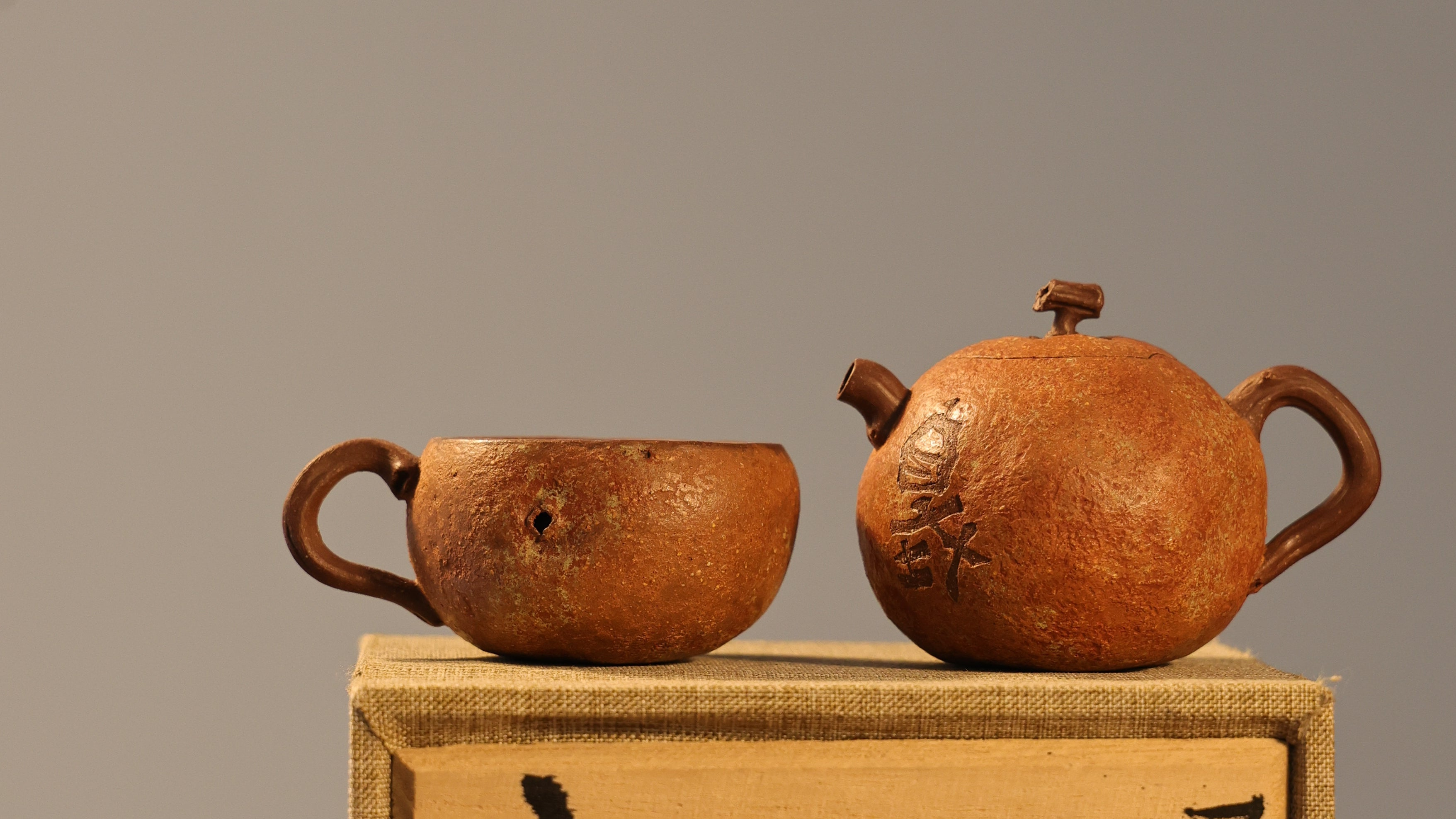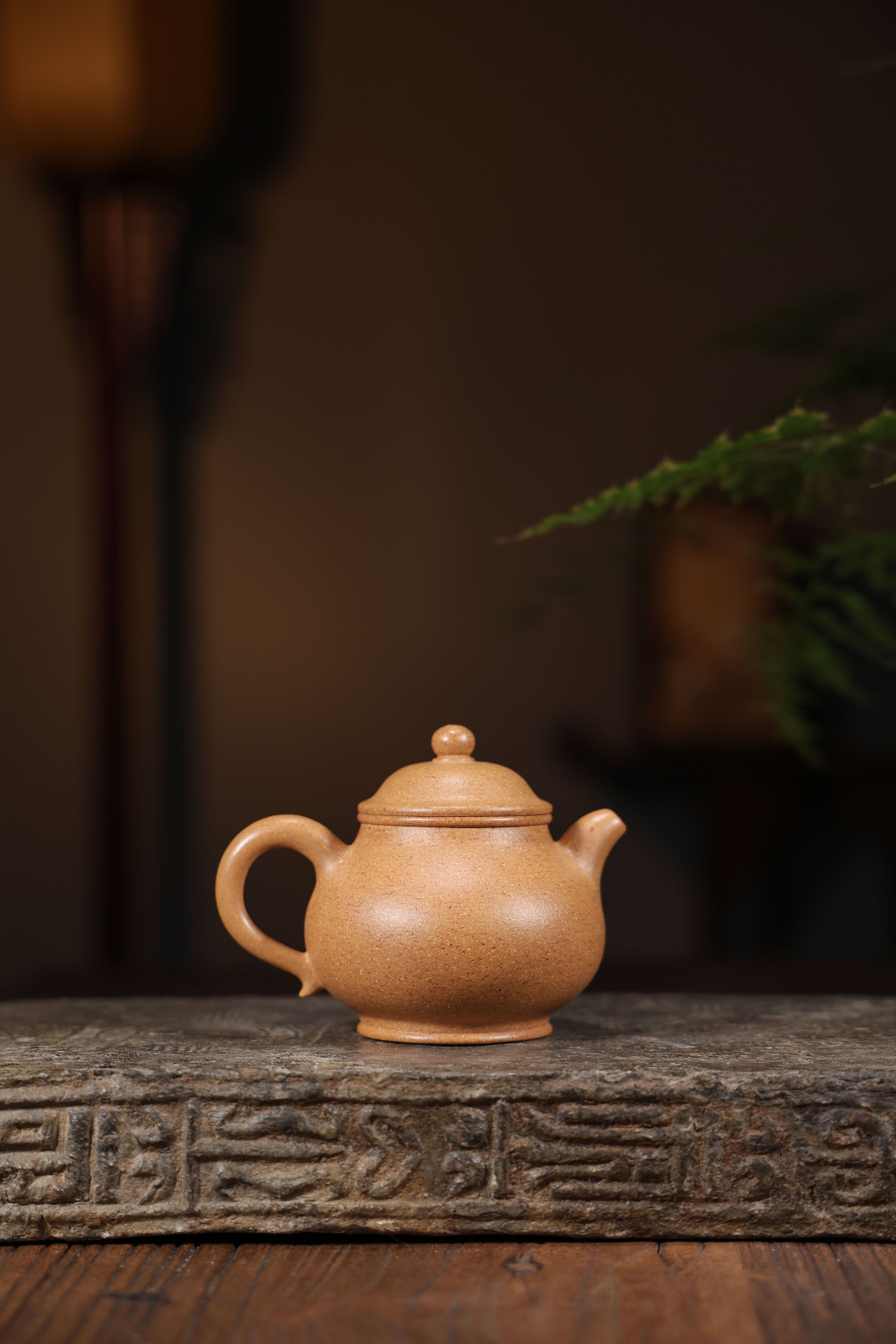
Centuries in collectors have craved the exceptional fascination of Yixing Zisha pitchers. Founded in the scenic town of Yixing, the homeland, these urns are constructed from a infrequent and quarried purple clay celebrated for its outstanding thermal properties and efficacy to intensify the bouquet of infusions. Apart from their functional appeal, Zisha teapots exemplify a extensive artistic heritage, fashioning them greatly collectible and a genuine wonder for any enthusiastic teapot fan.
Understanding Yixing Pitchers
Historical teapots showcase a remarkable unification of history and traditional craftsmanship. Originating in Yixing, Jiangsu Locale of China, their narrative stretches the Ming Dynasty, although indications suggest earlier models. The distinctive purple clay, called Zisha, found solely in the Yixing region, is the principal component, contributing to the pots' outstanding heat retention and the manner they shape the aroma of tea. Sequences of potters have enhanced techniques—often passed down through families—including crafting the clay, applying intricate embellishments, and firing the pots at accurate temperatures.- In the past, Yixing teapots were often beautified with simple designs.
- Over time, more ornate carvings and representative motifs became popular.
- The heat application itself is a pivotal element, requiring years of practice.
Obtaining Zisha Teapots: Fundamental Points
Undertaking a journey to secure Zisha jars can be pleasurable, but it’s fundamental to know what to seek. Authenticity is principal; focus on the substance’s natural hue, a soft reddish-brown is traditional. Examine the feel; genuine Zisha has a special tactile sensation, often expressed as slightly uneven. The contour should be well-proportioned and consistent with classic styles, while impressions, if present, require scrupulous examination for genuineness. Don’t refrain to consult with professional consultants or established contacts – their guidance is essential.
Chinese Clay Pots: Investigating the History of renowned Purple Clay
Years have seen Yixing Rare Clay teapots hold a significant role in Chinese arts. These masterfully created pots, sourced only from the zone of Yixing, are distinguished for their specific shade, feel, and their ability to enhance the taste of beverages. Countless collectors chase antique Yixing teapots, treasuring Yixing Zisha Teapot them considerably not only for their aesthetic grace, but also for the chronicle they signify.
Yixing Zisha Teapots: This Premier Categories and Their Attributes
Yixing Pottery teapots, sourced from the authentic locale of Yixing, the Chinese territory, are famed for their special clay and exceptional brewing capabilities. Among the countless Zisha types, notable classes that are highly admired include Huiwan. Binzhou, known for its rich purple shade and fine texture, delivers a mild flavor. Duan Ni clay, recognizable by its brownish color and slightly grainy feel, is believed to enhance a robustness. Lastly, Zhuni variety boasts an infrequent red tone and can offer a agreeable nuance. Each form presents a distinct experience, affording them exceptionally desirable with tea enthusiasts.
Understanding Unique Clay Kettle
To tap into the capability of your Yixing vessel, knowing the correct means is crucial. These clay containers, celebrated for their texture, will continually develop the nature of the tea you infuse within them. Begin by washing the urn thoroughly with scalding water. Then, use only fine whole leaf tea, as lower quality options can spoil the object’s delicate essence. Always allow the leaves to bloom completely, and remember that with each session, your Yixing jar will become progressively distinct.
Safeguarding Your Beloved Zisha Relic
Proper support for your Zisha pot is fundamental to safeguarding its beauty and merit. Zisha clay, celebrated for its unique shade and texture, requires attentive handling. Never use abrasive agents, as these can undermine the coating. After every action, rinse the vessel with gentle warm water and allow it to air out completely.
- Decline soaking the teapot for extended intervals.
- At intervals use a soft rag to maintain the exterior.
- Think about applying a thin layer of food-grade fat inside the jar after drying, which can reduce staining.
A Beginner's Guide to Yixing Earthenware
Yixing kettles, originating from the Yixing region in Jiangsu Province, part of China, are celebrated for their distinctive peculiarities. Made from the unique purple ground known as Zisha, these earthenware are prized by concoction enthusiasts worldwide. This overview will succinctly explain the pillars – covering types of Zisha soil, frequent shapes, and critical care helpful hints. Understanding the background of Yixing vessels can strengthen your appreciation for this revered example of Mandarin culture.
Art of Mandarin Containers: Examining Zisha deriving from Yixing City
Zisha ware from the Yixing area represents the summit of Oriental pitcher design, demonstrating a uncommon blend of earthy beauty and practical artistry. These exceptional pieces are famed for their intense shades, often varying from robust purples and chestnut hues to light greys and gentle beiges. The noted mineral composition of the exclusive Zisha bedrock imparts a distinctive texture and furnishes a pleasant aroma that heightens the whole drink experience, resulting in them strongly valued collectibles and fundamental components of any serious ceremony.