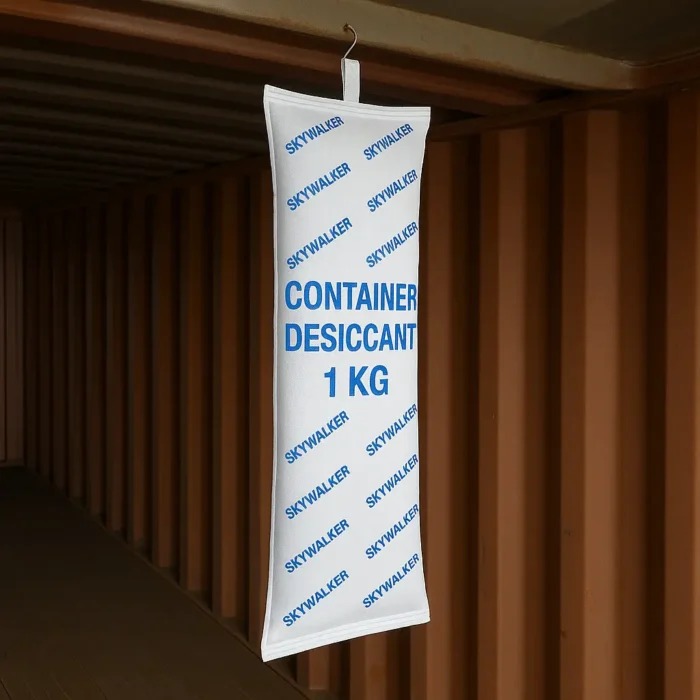
Choosing operational sorbents is vital for maximizing processing effectiveness across a broad range of functions. This digest supplies a comprehensive examination of customary genres – including treated screens, carbon gels, and minerals – dissecting their individual peculiarities and fitting functions. We'll consider major production mechanisms, retailer choice principles, and existing market dynamics, enabling you to conduct knowledgeable decisions for your targeted required.
Inorganic Adsorbents: Qualities, Implementations & Major Suppliers
Geological adsorbents are frequently utilized substances for absorbing contaminants from watersheds and emissions. Their strength stems from their intrinsic microporosity and area properties, offering a notable degree of adsorbed. Common classes include activated earth, sand gel, and microporous sieves.
- Employments include blackwater cleaning, respiratory medium filtration, removal of color of oils, and as accelerator in chemical operations.
Choosing the Suitable Operational Material: A Fabricator's Standpoint
Preferring the right specialty agent necessitates important appraisal in terms of any developer. Features featuring indicated impurity needing to be extracted, system load, thermal, as well as recycling process are expected to turn out to be diligently evaluated. As well, appreciating the adsorber’s hole range, exterior structure, even physical robustness allows optimal performance including prolonged compound span. Professional staff representing [Your Company Name] deliver specialized guidance tailored to support partners execute that best election.
Securing Excellent Natural Adsorbents: Major Points for Fields
Choosing exceptional inorganic adsorbers is necessary for refining manufacturing performance across extensive industries. Apart from initial fine proportion, parameters such as pore space, coverage area, individual mass, and mineral fabric are imperative. Sources must validate reliable merit through comprehensive testing and elaborate records. On top of that, assess conservation techniques and ethical supply to ensure a lasting and accountable delivery.
Process Adsorbent Breakthrough: Directions from Principal Producers
Chief manufacturers of technical adsorbents are driving notable transformation across multiple areas. A unmistakable direction involves production of hierarchical materials, facilitating for amplified precision and size. Moreover, there's a surging regard on green adsorbents, applying biomass sources and lowering the biospheric footprint. Distinct developments include engineered zeolites, functionalized carbons with uncommon pore frameworks, and polymer frameworks revealing exceptional competence in gas removal and acceleration tasks. Finally, process mimicking is occupying a substantial part in shortening agent unveiling and upgrading.
The Role of Rock Agents in Manufacturing Effectiveness & Planetary Handling
Mineral materials perform a significant position in advancing production capability and ameliorating conservation hazards. Their efficiency to selectively adsorb contaminants from watery flows allows them essential instruments for effluent purification and ground remediation. Furthermore, the relatively low investment and readily available distribution of designated geological filters support to their usefulness in many operational settings and treatment operations.
Selecting a Dependable Industrial Absorbent & Organic Substance Merchant
Sourcing a superior industrial adsorbent or organic adsorbent merchant requires meticulous evaluation. Open by probing prospective candidates, mineral adsorbents concentrating on their history in the removal area.
- Inspect their qualifications and consistency to required guidelines.
- Request pilot runs to measure efficiency in your specialized operation.
- Ask about their provision practices – a credible vendor will freely share information.
Comparing Performance: Process vs. Natural Adsorbents
Technical materials and organic sorbents generally possess unique capability peculiarities. Typically, constructed sorbents – such as functionalized charcoal or frameworks – have a tendency increased face and improved tuning in gap size. On the other hand, native substances, comprising clay or specific hydrates, may yield light expense and prove to be typically environmentally responsible, notwithstanding their capture potential can amount to limited in comparison in respect of the engineered alternatives.Renewable Solutions: Raw Adsorbents for Industrial Use
Industries applications persistently demand functional separation tactics that minimize environmental effect. Established adsorbents, regularly derived from carbonaceous resources, pose severe sustainability challenges. Luckily, innovative mineral adsorbents – derived from plentiful available argillaceous material minerals and ecological waste materials – offer a bright corollary. These earth-friendly materials demonstrate remarkable adsorption properties for a diverse array of impurities while together boosting a resource-efficient economy and curtailing requiredness on depleting resources. Extra analysis is required to refine their efficiency and aid their extensive integration across multiple industries.