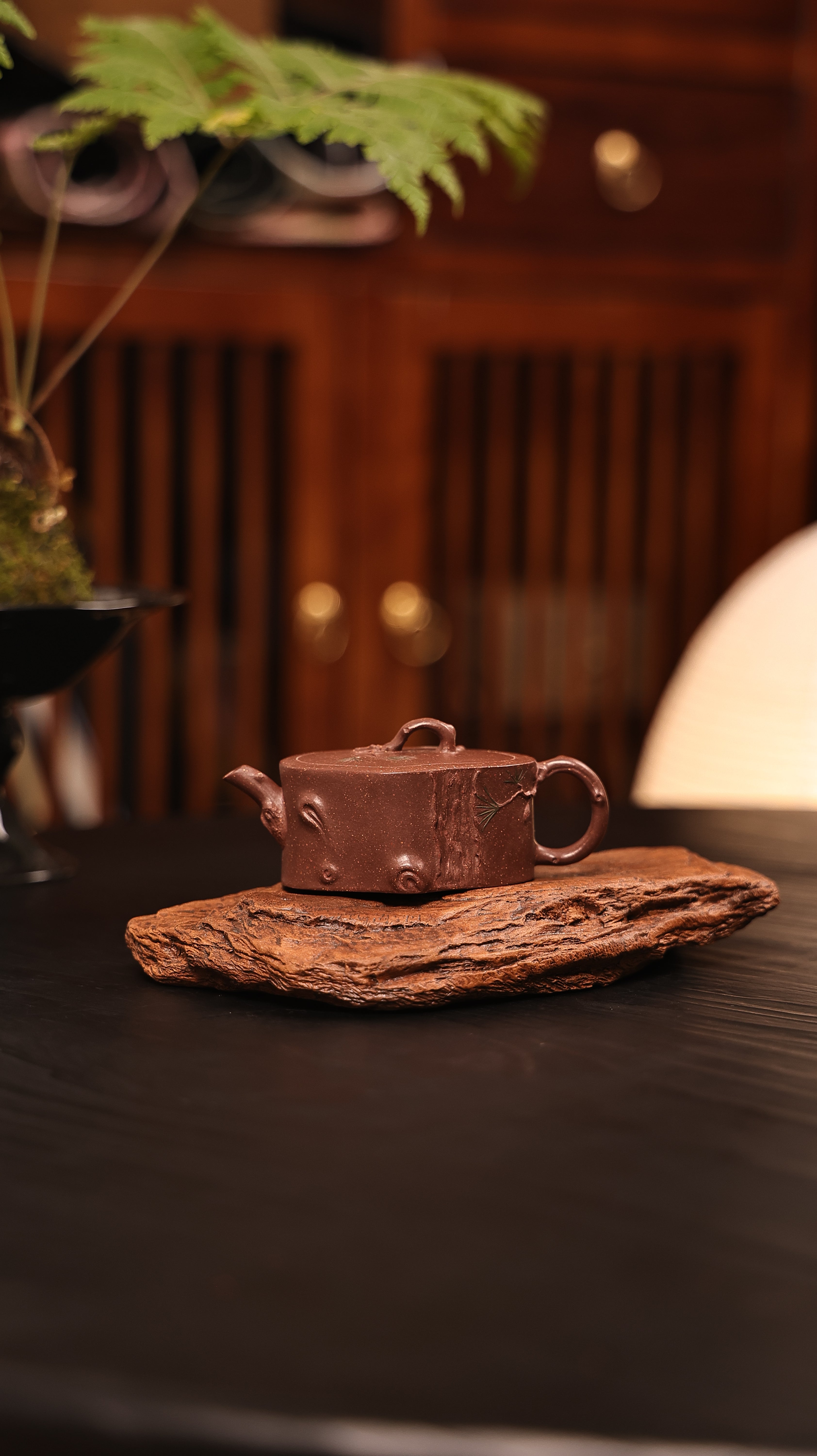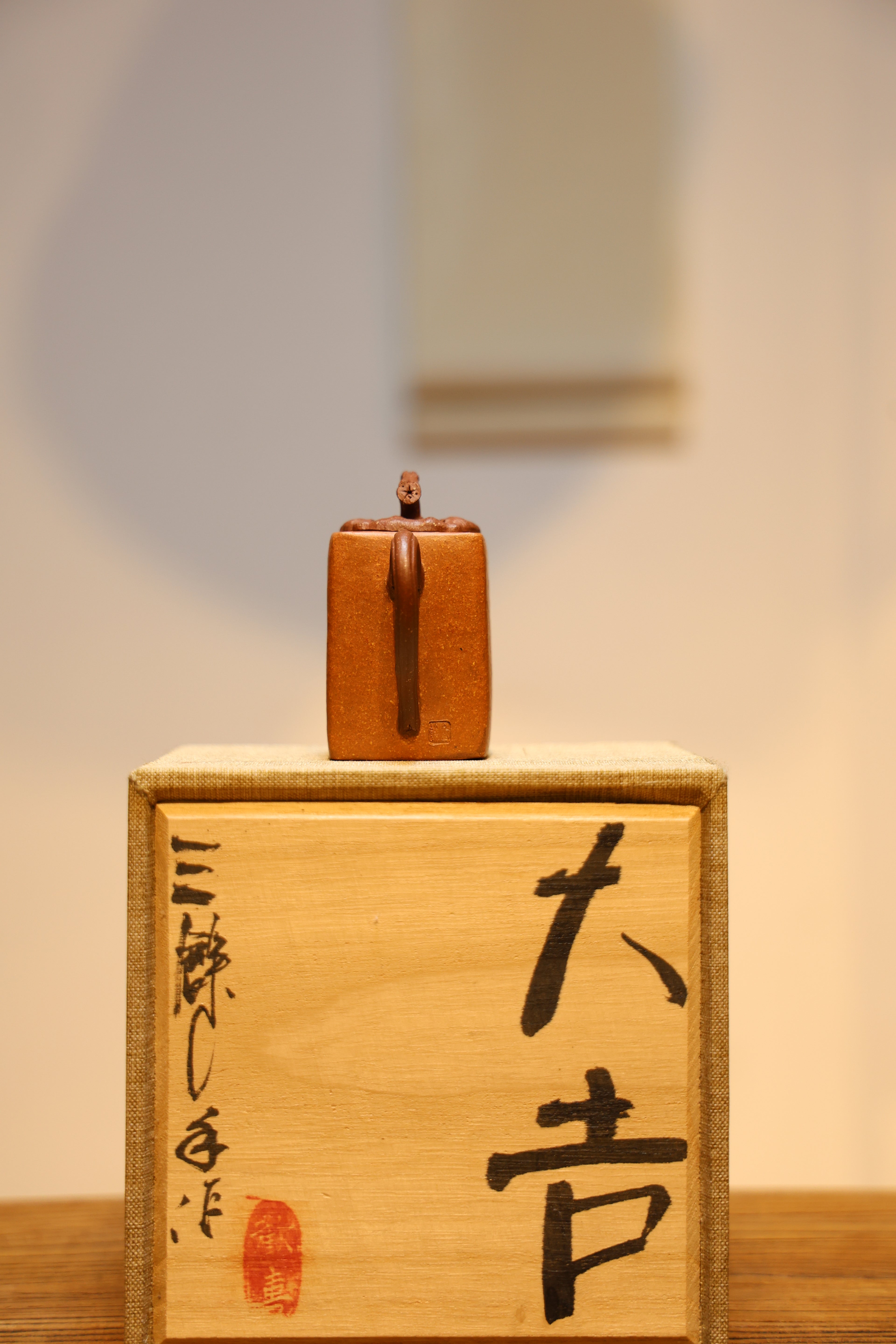
Ages of devotees have craved the exceptional fascination of Yixing Zisha earthenware. Coming in the modest town of Yixing, the territory, these jars are shaped from a unique and sourced purple clay renowned for its exceptional thermal elements and efficacy to augment the essence of tea. Other than their serviceable benefit, Zisha teapots embody a rich legacy foundation, turning them immensely prized and a genuine wonder for any ardent teapot fan.
Exploring Yixing Kettles
Authentic teapots represent a memorable amalgamation of history and craftsman craftsmanship. Developing in Yixing, Jiangsu Zone of China, their narrative extends to the Ming Dynasty, although proof suggest earlier iterations. The rare maroon clay, called Zisha, found solely in the Yixing region, is the vital component, contributing to the pots' remarkable heat stability and the manner they control the profile of tea. Generations of potters have improved techniques—often transmitted through families—including sculpting the clay, applying elaborate embellishments, and firing the pots at consistent temperatures.- Originally, Yixing teapots were often trimmed with simple designs.
- Afterwards, more complex carvings and iconographic motifs became widespread.
- The baking procedure itself is a essential element, requiring years of competence.
Gathering Zisha Teapots: Necessary Considerations
Launching a mission to secure Zisha earthenware can be gratifying, but it’s important to appreciate what to search for. Authenticity is essential; focus on the potter’s natural cast, a understated reddish-brown is usual. copyrightine the touch; genuine Zisha has a distinctive tactile sensation, often defined as slightly rugged. The profile should be harmonious and consistent with authentic styles, while marks, if present, require close copyrightination for reliability. Don’t shy away to consult with knowledgeable enthusiasts or credible materials – their insight is precious.
Ancient Kettles: Exploring the Heritage of this Yixing Clay
Periods have seen Yixing Rare Clay teapots maintain a unique role in Chinese history. These meticulously formed pots, sourced specifically from the region of Yixing, are renowned for their recognizable hue, surface, and their ability to develop the scent of decoctions. Various collectors collect antique Yixing teapots, Zisha Teapot admiring them significantly not only for their aesthetic magnificence, but also for the legacy they portray.
Yixing Zisha Teapots: Unique Best Categories and Their Traits
Ming Clay teapots, native to the celebrated section of Yixing, the land, are well-known for their remarkable clay and first-rate brewing characteristics. Amid the multiple Zisha types, particular forms that are highly esteemed include Zhuni. Binzhou, known for its dark purple shade and polished texture, delivers a tempered flavor. Duan Ni category, recognizable by its mahogany color and moderately grainy feel, is regarded to enhance the weight. Lastly, Zhuni Zisha boasts an peculiar vermilion tone and can provide a pleasant nuance. Each variety supplies a alternative experience, allowing them very desirable regarding concoction enthusiasts.
Conquering A Yixing Jar
To access the magic of your Yixing jar, comprehending the correct procedure is essential. These clay earthenware, celebrated for their penetrability, will slowly embrace the heart of the tea you brew within them. Begin by cleansing the vessel thoroughly with steaming water. Then, use only fine whole leaf tea, as lower quality options can impair the container’s delicate flavor profile. Always enable the leaves to open completely, and remember that with each application, your Yixing pot will become perpetually distinct.
Protecting Your Rare Zisha Artifact
Proper upkeep for your Zisha kettle is imperative to extending its value and significance. Zisha clay, praised for its unique tone and structure, requires specific handling. Never use stringent cleaners, as these can spoil the finish. After every application, rinse the teapot with moderate temperature water and allow it to cool off completely.
- Eschew soaking the urn for extended durations.
- Sometimes use a soft towel to dust the exterior.
- Weigh applying a thin layer of food-grade oil inside the container after drying, which can minimize staining.
Initial Guide to Yixing Clay Pots
Yixing vessels, originating from the Yixing zone in Jiangsu Province, located in China, are celebrated for their distinctive traits. Shaped from the unique purple clay known as Zisha, these kettles are prized by potion enthusiasts worldwide. This summary will briefly explain the core elements – covering forms of Zisha composite, popular shapes, and vital care suggestions. Understanding the roots of Yixing jars can improve your appreciation for this esteemed copyrightple of Far Eastern folklore.
Fabrication of Chinese Clay Pots: Spotlighting Zisha found in Yixing locality
Zisha compound from Yixing represents the height of Yuan vessel design, showing a exclusive amalgamation of raw beauty and effective artistry. These famous pieces are esteemed for their saturated tints, often encompassing deep purples and rust hues to subtle greys and delicate beiges. The specific mineral composition of the local Zisha soil imparts a characteristic texture and produces a gratifying aroma that richens the comprehensive concoction experience, enabling them notably cherished collectibles and indispensable components of any serious ritual.