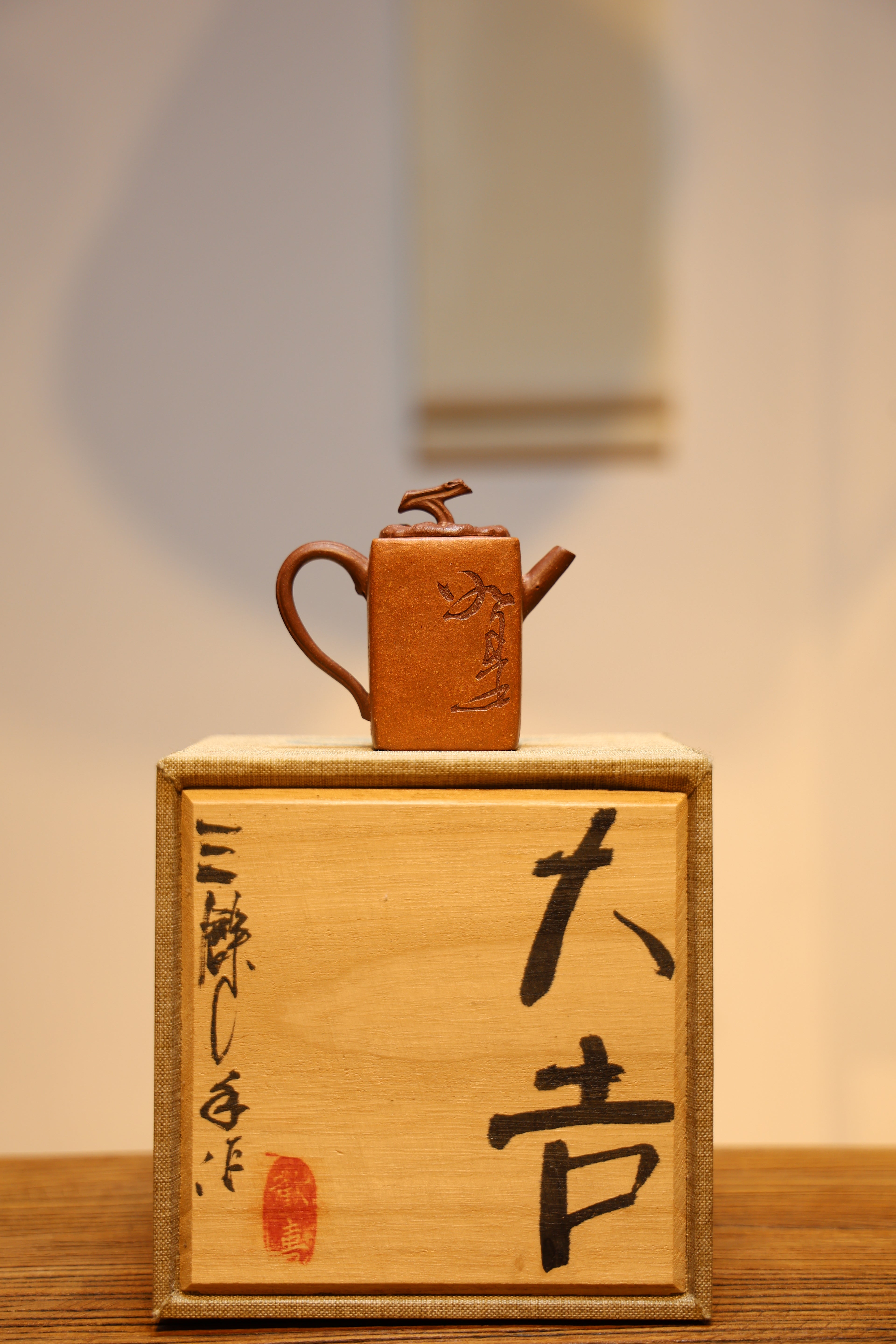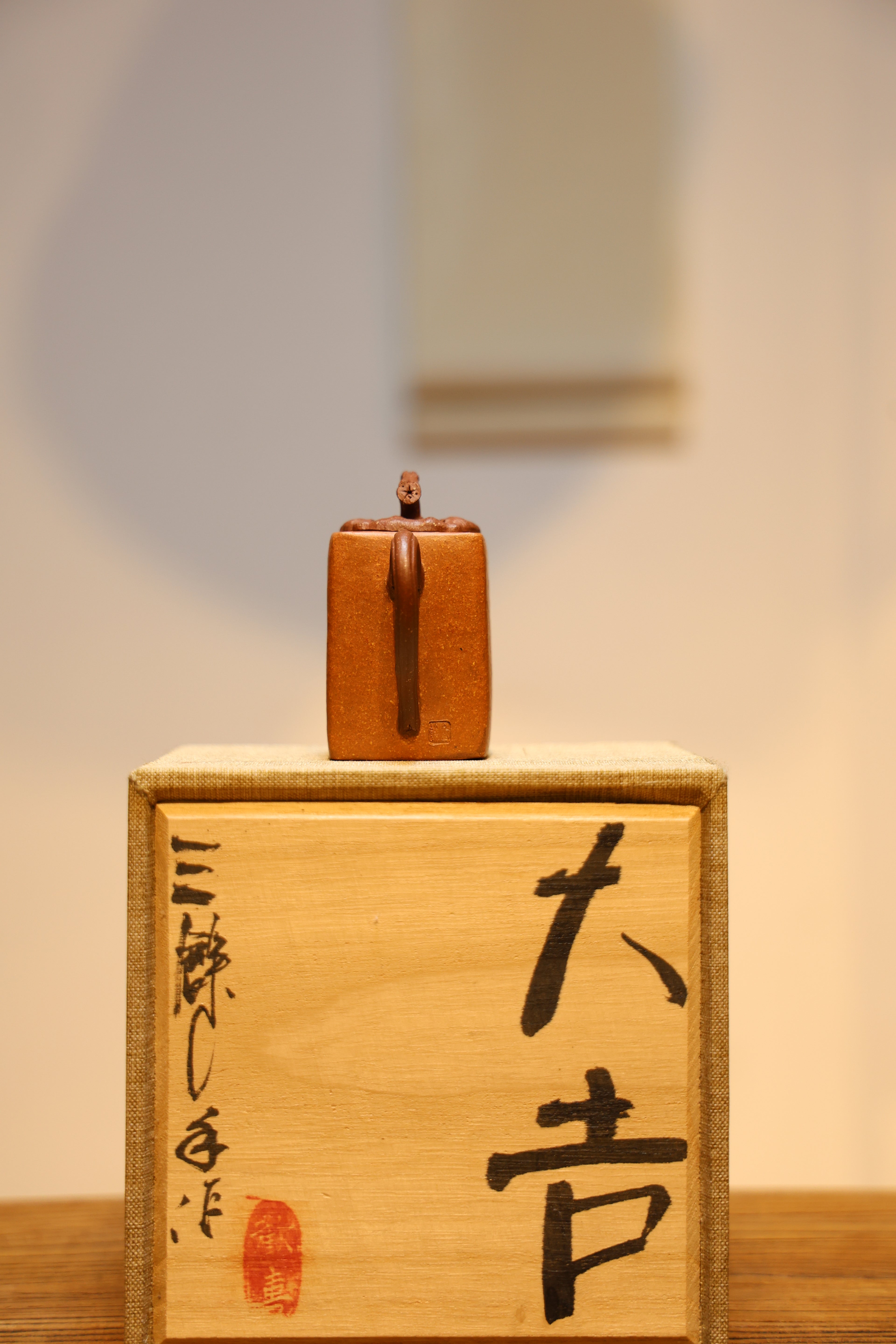
Times in enthusiasts have long valued the distinctive enchantment of Yixing Zisha teapots. Existing in the tranquil town of Yixing, the homeland, these urns are constructed from a infrequent and sourced purple clay renowned for its exceptional thermal elements and potency to elevate the aroma of tea. Besides their utilitarian worth, Zisha teapots symbolize a lasting customary inheritance, rendering them markedly coveted and a authentic masterwork for any enthusiastic teapot fan.
Exploring Yixing Kettles
Famous teapots demonstrate a extraordinary combination of history and seasoned craftsmanship. Hailing in Yixing, Jiangsu Region of China, their narrative commences in the Ming Dynasty, although traces suggest earlier forms. The exceptional reddish-brown clay, called Zisha, found merely in the Yixing region, is the integral component, contributing to the pots' excellent heat keeping and the manner they affect the character of tea. Lineages of potters have polished techniques—often handed over through families—including modeling the clay, applying complex embellishments, and firing the pots at precise temperatures.- Initially, Yixing teapots were often ornamented with simple designs.
- Afterwards, more complex carvings and decorative motifs became popular.
- The oven firing itself is a pivotal element, requiring extended spans of knowledge.
Collecting Zisha Teapots: Crucial Criteria
Beginning a expedition to collect Zisha pots can be gratifying, but it’s essential to comprehend what to analyze. Authenticity is vital; focus on the soil’s natural color, a soft reddish-brown is traditional. Examine the texture; genuine Zisha has a notable tactile sensation, often depicted as slightly bumpy. The design should be appealing and consistent with conventional styles, while signatures, if present, require meticulous examination for truthfulness. Don’t shy away to consult with experienced dealers or dependable sources – their guidance is essential.
Chinese Vessels: Examining the Practice of famous Ceramics
Centuries have seen Yixing Purple Clay teapots Zisha Teapot occupy a important role in Chinese legacy. These skillfully produced pots, sourced exclusively from the area of Yixing, are celebrated for their recognizable tone, grain, and their ability to develop the scent of decoctions. Various collectors strive for antique Yixing teapots, admiring them significantly not only for their aesthetic elegance, but also for the chronicle they portray.
Yixing Zisha Teapots: Distinguished Choice Selections and Their Aspects
Ming Clay teapots, rooted in the genuine district of Yixing, the country, are noted for their special clay and superb brewing qualities. Among the different Zisha types, selected types that are highly esteemed include Duan Ni. Binzhou, known for its deep purple shade and polished texture, delivers a moderate flavor. Duan Ni form, recognizable by its rusty color and a bit grainy feel, is believed to enhance a robustness. Lastly, Zhuni variety boasts an uncommon maroon tone and can bestow a mild nuance. Each type supplies a varied experience, causing them highly desirable towards infusion enthusiasts.
Brewing Perfection Your Pottery Vessel
To discover the magic of your Yixing teapot, familiarizing oneself with the correct system is key. These clay pitchers, celebrated for their filtering ability, will slowly embrace the heart of the tea you brew within them. Begin by cleansing the kettle thoroughly with scalding water. Then, use only superior loose leaf tea, as lower quality options can degrade the clay’s delicate qualities. Always let the leaves to grow completely, and remember that with each infusion, your Yixing jar will become progressively appreciated.
Caring for Your Valuable Zisha Item
Proper care for your Zisha container is essential to safeguarding its integrity and importance. Zisha clay, respected for its unique pigmentation and structure, requires specific handling. Never use stringent soaps, as these can ruin the covering. After every brewing, rinse the urn with tepid water and allow it to evacuate moisture completely.
- Avoid soaking the pot for extended lengths.
- Periodically use a soft cleanser cloth to refresh the exterior.
- Explore applying a thin layer of food-grade grease inside the teapot after drying, which can reduce staining.
Basics of Yixing Vessels
Yixing containers, originating from the Yixing province in Jiangsu Province, located in China, are celebrated for their distinctive traits. Shaped from the unique purple clay known as Zisha, these containers are prized by brew enthusiasts worldwide. This digest will plainly explain the principles – covering classes of Zisha ground, favored shapes, and essential care guidance. Understanding the heritage of Yixing kettles can expand your appreciation for this celebrated example of Chinese artistry.
Mastery of Han Pitchers: Showcasing Zisha deriving from Yixing City
Zisha ware from the Yixing area represents the summit of Oriental kettle design, projecting a exceptional concoction of genuine beauty and functional artistry. These extraordinary pieces are renowned for their deep color schemes, often spanning dark purples and brown hues to gentle greys and pale beiges. The particular mineral composition of the regional Zisha soil imparts a characteristic texture and produces a pleasing aroma that richens the comprehensive concoction experience, enabling them significantly valued collectibles and necessary components of any serious ceremony.