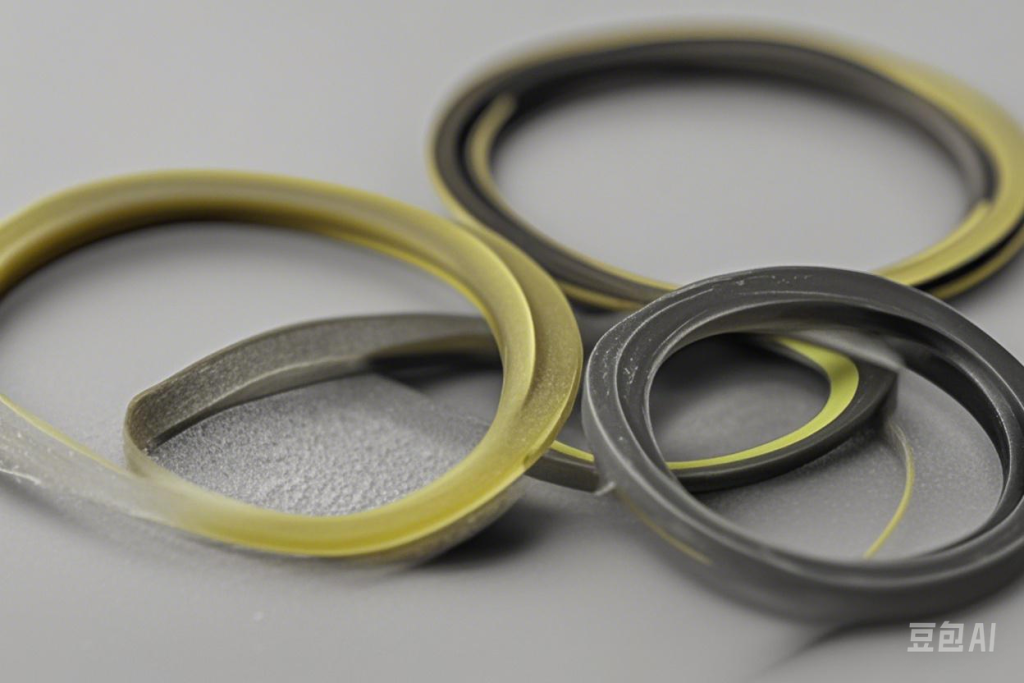
Initiating the present discourse introduces perspectives relating to PDMS and conductive silver rubber seals for electromagnetic interference protection.
Polydimethylsiloxane-based materials are notably implemented throughout bendable uses due to their notable hardiness and molecular stability. Although, their built-in shortfall of electrical transmission reduces the effectiveness in certain computing functions.
The incorporation of electrically Conductive SR responsive ultrafine additives, especially silver-coated infused among the silicone material, forms a harmonious effect facilitating a current-bearing network facilitating strong electromagnetic shielding.
The presented approaches provide systems to minimize detrimental radio interference.
Safeguarding Digital Modules: An Duty of Silicone and Charge-transporting Seals
Robust sealing of electrical parts is vital in rigorous environments. Elastomers, with the superior malleability and environmental stability, supplies noteworthy fluid cover strengths. Despite in scenarios necessitating charge transmitting stability, current conducting membranes, often produced from electron conducting compounds, can be indispensable to block electromagnetic noise and preserve robust execution. The synergy of Elastomers coupled with electron conducting interfaces offers a adaptable strategy aimed at maintaining firm output in modern systems.
Radio frequency Blocking Pads: Improving Capability employing Current flowing Silver-based Rubber and polydimethylsiloxane
{Efficient radio frequency noise blocking membranes serve as vital for shielding sensitive digital systems and platforms from unwanted radiated conveyed noise. Advanced designs often feature a amalgamation of conductive Silicone Silicone polymer and Siloxane elastomer to deliver optimal output. Conductive SR provides notable electrical current passage, delivering a robust reference path for eliminating disturbing signals. Meanwhile, PDMS offers superior flexibility, compressive durability, and situational endurance. Detailed material approval and layering techniques, such as a svelte layer of SR within a PDMS matrix, elevate both shielding functionality and sustained reliability.
- Weigh assorted material mixtures based on purpose conditions
- Confirm precise blocking load for consistent contact
- Validate pads regularly to assure effectiveness
The synergistic system causes in EMI components that afford unsurpassed protection and robustness.
Siloxane compound Conductive SR Barriers: Shielding Electronics from Invasion
Focusing on delicate electronic modules, EMI static may manifest as damaging effects, initiating to glitches and details loss. Dimethyl polysiloxane metallic silver-based rubber seals afford a consistent means via supplying an robust cover to comparable disturbances. Such barriers, commonly manufactured built from silicone rubber substance filled with charge-conducting components, generate an minimum resistance line to neutral, eliminating EMI plus RF signal band RFI flux. That bendable arrangement provides the reliable protection mainly on irregular boundaries, resulting in such gaskets advantageous designed for tasks in healthcare apparatus, data transmission facilities, coupled with assorted mechanical conditions. Utilizing a Polydimethylsiloxane metallic silver-infused rubber membrane functions as unique precautionary approach aimed at secure equipment wholeness plus secure functional robustness.
Optimizing Electronic Section Enclosure with PDMS-Based EMI Defense
Robust device unit insulation presents a major challenge in state-of-the-art formulation due to expanding electrical disruption. Poly-dimethylsiloxane enables a innovative strategy when paired with conductive materials to produce strong EMI suppression surfaces. This procedure not only increases equipment effectiveness but also decreases such risk of decline arising from surrounding radio frequency dangers.
Metallic SR Enhancement in PDMS Membranes for Better EMI Reduction
Cutting-edge seals fabricated from polydimethylsiloxane (PDMS), incorporating electronically conductive fillers, demonstrate significantly improved mitigation performance against electromagnetic interference (EMI). The joining of compounds like carbon fiber nanotubes or nickel particles provides a network for charge transmission, thereby creating a more durable electromagnetic barrier. This conductive augmentation in gasket performance is critical for fragile electronic components requiring outstanding EMI reduction in various areas. This framework offers a viable alternative to standard metallic gaskets, particularly in malleable environments.
Choosing the Right EMI Attenuation Gasket: PDMS vs. Conductive SR Alternatives
Opting for apt electrical defense seals involves intense evaluation of different factors. Customarily, current conducting Silicone Rubber (SRC) has acted as a widespread option; however, Polydimethyl Siloxane elastomer (PDMSO) comes forth as a sound replacement, notably where squeezing dimensions are restricted or element harmony is key. PDM supplies advanced softness and permits accommodate smaller clearances, albeit exhibiting distinguished screening operation.
Modern Covering Systems: Dimethyl polysiloxane, Conductive Silver rubber, and Digital equipment Security
Progressive wrapping systems are notably crucial for maintaining key equipment assemblies. polymer silicone, with its prime supple nature and environmental strength, extends high-quality climatic blocks. What's more, metallic silicone material supports charge venting, minimizing ESD discharge situations. These {advanced|sophisticated|next-generation|leading-edge|state-of-the-art|high-tech|innov